
Wakesurfing is one of the most fun things you can do behind a boat. It feels like you are riding a never-ending wave. But when you first start, staying on the board can feel a bit wobbly. If you want to stay on the wave longer and try cool moves, you need to work on your steadiness.
At Muskoka Wake, we love helping people find their feet on the water. Whether you are just starting or trying to stay up without the rope, this guide will show you how to stay steady and strong.
Getting Started with the Basics
Before you try to jump or spin, you have to feel solid on your board. Many people ask, “What is the secret to staying up?” The answer is all about where you put your weight. If you lean too far back, the wave will pass you by. If you lean too far forward, the nose of the board might go under the water.
Learning the difference between wakesurfing vs wakeboarding is helpful here. In wakesurfing, you aren’t strapped into boots, so your feet can move around to help you find the “sweet spot” on the wave.
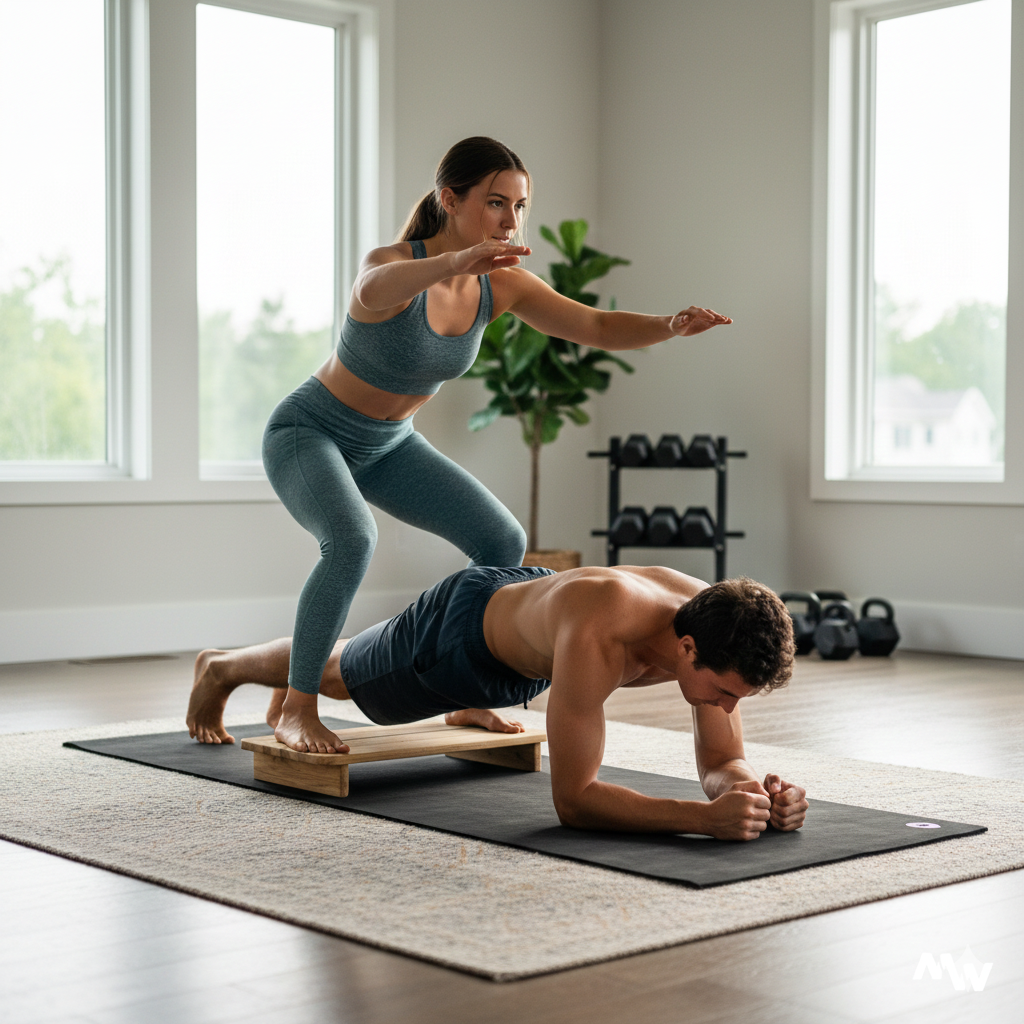
Improving Balance for Wakesurfing
To stay on the wave, your body needs to learn how to react to the moving water. This is called muscle memory. You can practice this even when you aren’t on the boat.
- Keep your knees bent: Never stand with straight legs. Keeping your knees soft helps you soak up the bumps in the water.
- Look ahead: Don’t look down at your feet! Look at the back of the boat or where you want to go. Your body follows your eyes.
- Use your arms: Keep your arms out a little bit to help you stay centered.
If you want to learn faster, joining Dockside wakesurf clinics is a great way to get help from experts who can watch your form.
Why is Wakesurf Balance Training Important?
You might think that you only need to practice on the water. However, wakesurf balance training on land can make a huge difference. When you are on the lake, the boat is moving, and the wave is changing. It is hard to focus on just one thing.
By practicing on land, you make your legs and stomach muscles stronger. This makes it much easier to stay calm when the water gets a bit rough.
Balance Board Training for Wakesurfing
One of the best tools you can use at home is a balance board. This is a flat board that sits on a rolling pin. Using a balance board training for wakesurfing routine helps you get used to the side-to-side motion of the wave.
How to use a balance board:
- Place the board on a rug so it doesn’t slip too fast.
- Hold onto a chair or a friend’s hand at first.
- Try to keep the board level without the ends touching the floor.
- Once you feel good, try to squat down while keeping the board still.
This mimics the feeling of being on the lake and helps you get used to moving your weight from your toes to your heels.
Wakesurfing Core Strength Exercises
Your “core” is the middle part of your body, like your tummy and back. Having a strong middle helps you stay upright when the wave pushes against your board. Doing wakesurfing core strength exercises a few times a week will help you stay on the water longer without getting tired.
Easy exercises to try:
- The Plank: Lay on your elbows and toes and keep your body straight like a board. Hold it as long as you can!
- Bird-Dog: Get on your hands and knees. Lift your left arm and right leg at the same time. Switch sides. This helps with coordination.
- Leg Raises: Lay on your back and lift your legs up and down slowly. This builds the muscles you need to pull the board toward you during a start.
If you are looking for a place to practice these skills on the water, Wake Surfing in Muskoka is the perfect spot to spend your summer days.
How to Get Better at Wakesurfing Tricks
Once you feel steady, it is time for the fun stuff! Learning tricks is all about timing and knowing how the wave works.
1. Carving
Carving is when you move up and down the face of the wave. To go up, put pressure on your toes. To come back down, put pressure on your heels. This is the first step to feeling like a real pro.
2. The Fire Hydrant
This is a fun trick for beginners. While you are riding, slowly lower yourself down and put one hand on the board while lifting one leg. It looks cool and helps you learn how to balance on one foot!
3. Throwing the Rope
The biggest goal for many is to let go of the rope. To do this, you need to find the “push” of the wave. Slowly move your weight to your front foot to gain speed. When the rope goes slack, you are surfing! Before you try this, make sure you know your wakesurfing safety tips to keep everyone on the boat safe.
How Do I Land My First 360?
A 360 is when you and the board spin all the way around. It is a hard trick, but you can do it with practice.
- Step 1: Get to the back of the wave to build up speed.
- Step 2: Use your hand to “pet” the water to help start the spin.
- Step 3: Look over your shoulder. Just like before, your board will go where your eyes go!
Common Mistakes to Avoid
Even the best surfers make mistakes. Here are a few things to watch out for:
- Pulling on the rope: Let the boat pull you. If you pull on the rope, you will lose your balance and fall forward.
- Standing too tall: If you stand like a statue, any little bump will knock you over. Stay low!
- Giving up too soon: It takes time to learn how to get better at wakesurfing. If you fall, just laugh it off and try again.
Why Choose Muskoka Wake?
At Muskoka Wake, we believe that anyone can learn to surf. We provide the best boats and coaches to help you reach your goals. We focus on making sure you feel safe and happy while you learn new things. Whether you want to work on your wakesurf balance training or land your very first jump, we are here to help.
Ready to Ride the Wave?
Improving your skills on the water is all about having fun and staying consistent. By using balance board training for wakesurfing at home and working on your wakesurfing core strength exercises, you will feel much more confident next time you hit the lake.
Remember to keep your knees bent, keep your eyes on the boat, and most importantly, keep smiling! Every time you fall, you are actually learning something new about how to stay up next time.